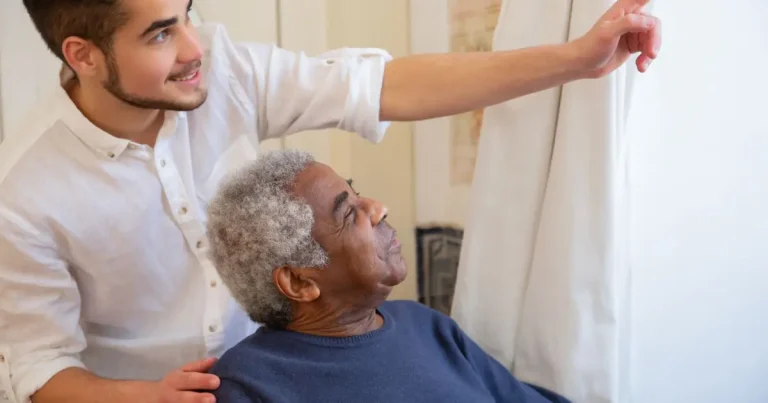

You walk into a senior living community for an interview. The lobby smells like coffee. A resident in a cardigan is telling the receptionist about her grandson’s wedding, and the receptionist is listening as if nothing else matters. Down the hall, a server is setting tables for lunch and greeting residents by name. None of those people needed a nursing certificate to get hired. They needed reliability, warmth and the patience to hear the same story twice.
That is the open door this guide is about. Senior living communities hire for many roles that require no license, and those roles are often the most practical way to find out whether a long career in senior care suits you.
The roles that usually need no certification
Dining server or dining assistant
Servers in independent and assisted living work a restaurant-style dining room, but the guests are the same people every day. You learn preferences, diet restrictions and who likes a table by the window. The pace has peaks at breakfast, lunch and dinner. Some states or counties require a food handler card, which is a short course rather than a certification in the healthcare sense. Communities often hire high school students for these shifts, within federal and state child labor rules that limit hours for workers under 16.
Housekeeper or environmental services aide
Housekeepers clean residents’ apartments and common areas on a schedule. It is physical work, and it is also personal: you are in someone’s home, often while they are there. Respect for belongings and privacy matters as much as speed. Housekeepers are frequently the first to notice that a resident seems unwell or confused, and good communities train them to report it.
Concierge or front desk
The concierge handles visitors, phone calls, packages, transportation sign-ups and a steady flow of resident questions. Evening and weekend shifts are common. This role suits people who like structure and conversation in equal measure.
Activity assistant or life enrichment aide
Activity assistants help run the calendar: exercise classes, games, music, crafts, outings and holiday events. In memory care, the work leans toward small groups and sensory activities. Many activity directors started here, and our guide to becoming an activity director in senior living shows where that track can go.
Other roles worth checking
Communities also hire cooks and dishwashers, maintenance technicians, drivers (who usually need a clean driving record and sometimes a specific license class), and receptionists in the sales office. Larger organizations sometimes call these “community” or “hospitality” positions.
What employers still check
No certification does not mean no screening. Expect some combination of:
- a criminal background check, often fingerprint-based under state rules for licensed care facilities
- a TB screening test before your first shift in many states
- a drug screen at some employers
- references, especially for roles inside residents’ apartments
- orientation on resident rights, abuse reporting, infection control and emergency procedures
Assisted living is licensed by each state, and some states require all staff, not only caregivers, to complete basic dementia or resident rights training within a set time after hire. The community will tell you what applies.
Your application checklist
- Pick the role that matches what you are good at: people, cleaning, food, organizing or games.
- List any experience with older adults, including caring for a grandparent or volunteering.
- Note restaurant, hotel, retail or cleaning work. Hospitality skills transfer directly.
- Write down your real availability, including weekends and holidays.
- Have two references who can speak to your reliability.
- Gather your ID documents for the I-9 form you will complete on your first day.
- Ask whether the community pays for any required tests or training.
- Ask whether staff can cross-train in other departments.
How these jobs lead into care roles
An entry role in senior living gives you something no class can: months of watching how care actually works. You see how caregivers handle a resident who refuses a shower, how nurses talk to families, and how the team responds to a fall. You also find out whether you like the setting before you invest in training.
Many communities support internal moves. A dining server might cross-train as a resident assistant, or a housekeeper might be sponsored for a state caregiver or nurse aide course. Some large operators describe tuition help or in-house training programs on their careers sites. If you are interested in a specific operator, our profiles of Brookdale Senior Living jobs and Sunrise Senior Living careers explain what those companies describe.
Ask about this early. During the interview, a question like “Have people in this role moved into caregiving here?” tells the manager you plan to stay and grow.
What the interview usually covers
Expect a conversation more than a test. Hiring managers in senior living tend to ask about:
- a time you dealt with a frustrated customer or family member
- how you would respond if a resident seemed confused or upset
- whether you are comfortable around illness, memory loss and death
- your availability for holidays, when staffing is hardest
Honest, specific answers beat polished ones. If you have never worked with older adults, say so, and then describe a moment when you showed patience with someone who needed it.
Frequently asked questions
Do I need experience with older adults to get hired?
No. Many communities hire for attitude and train for the setting. Family caregiving experience helps, but restaurant or hotel experience often counts just as much for dining and concierge roles.
Will I have to help residents with personal care?
Not in non-care roles. Servers, housekeepers and concierges do not provide hands-on care like bathing or toileting. You may be asked to call a caregiver when a resident needs help, and you should know how to do that quickly.
Are these jobs full-time?
Both full-time and part-time shifts are common. Dining roles in particular are often split around meal times, which suits students and people with other commitments.
Is memory care different for non-care staff?
Yes. Memory care neighborhoods are usually secured, and every staff member is expected to understand basic dementia communication. Expect extra training if you work there.
Putting it into practice
Pick two or three communities near you, look at their careers pages for dining, housekeeping, concierge and activity roles, and apply to the one that fits your schedule. Once you are in, pay attention to the caregivers, ask about cross-training, and give yourself a few months to decide whether hands-on care is your next step.