
Fitness trainers and instructors held about 370,100 jobs in the United States in 2024, and the Bureau of Labor Statistics projects employment in the field to grow 12 percent from 2024 to 2034, much faster than the average for all occupations. The same source puts the May 2024 median wage at $46,180 a year. That figure blends personal trainers and group instructors working full- and part-time, so it tells you more about the field than about a first-year instructor teaching three classes a week.
Still, the numbers point to steady demand. This guide covers the practical steps: which certification to get, how format trainings fit in, what an audition looks like and how new instructors build a schedule.
Certifications compared
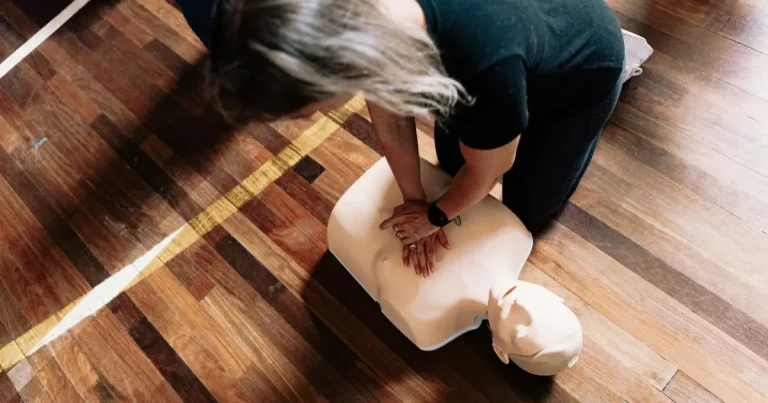
Most gyms ask group instructors for a current certification from an organization whose exam is accredited by the National Commission for Certifying Agencies (NCCA), plus current CPR/AED. The two most common group-specific credentials are below.
| ACE Group Fitness Instructor (ACE-GFI) | AFAA Certified Group Fitness Instructor (AFAA-CGFI) | Format-specific training (Zumba, Les Mills, cycling brands) | |
|---|---|---|---|
| NCCA-accredited exam | Yes | Yes | Generally no; it is a license to teach one program |
| Basic eligibility | Age 18 or older | High school diploma or GED | Set by the brand |
| CPR/AED | Current card with a live skills check before registering for the exam | Current card before taking the exam | Usually required by the gym, not the brand |
| Exam format | Proctored, in person or by live remote proctor | 120-question closed-book exam; scaled score of 70 to pass | Practical training, sometimes a video assessment |
| Best for | Broad foundation across class types | Broad foundation; often bundled with NASM materials | Teaching a specific branded class a gym already offers |
Details are from ACE’s group fitness instructor page and the AFAA candidate handbook. Fees and study packages change frequently, so check both sites for current prices.
Some instructors hold a personal training certification instead of, or in addition to, a group credential. Many clubs accept either for group roles. If you are weighing that route, our comparison of personal trainer certifications explains the differences between NASM, ACE, ACSM and NSCA.
Where format trainings fit
Branded programs such as dance fitness, choreographed barbell classes or studio cycling sell licenses to gyms. To teach one, you attend that brand’s training, which focuses on choreography, cueing and the program’s style. These trainings make you very hireable at clubs that run that program, but they usually do not replace a general NCCA-accredited certification, which covers anatomy, exercise safety, modifications and leading mixed-ability groups.
A practical order for many new instructors: get a general group fitness certification first, then add one format training that a gym near you already schedules.
How auditions work
Group fitness hiring almost always includes an audition. A typical one looks like this:
- You submit an application with your certification and CPR/AED card.
- The group fitness manager invites you to teach a short segment, often 10 to 20 minutes, sometimes to staff and sometimes to a live class.
- You may be asked to lead a warm-up, a main block and a cooldown, or to teach a specific format the club runs.
- The manager watches for clear cues, safe progressions, modifications for different fitness levels, music timing and how you connect with the room.
Prepare by teaching your segment out loud at home with a timer, then to friends. Practice cueing ahead of the beat and offering a lower-impact option without breaking the flow. Our guide to interviewing for gym and studio jobs covers the floor interview and front desk side of the hiring process too.
Building hours as a new instructor
Very few instructors start with a full schedule. A common path:
- Sub first. Clubs keep substitute lists, and saying yes to early-morning and holiday subs gets you noticed.
- Take the time slots nobody wants. A 5:30 a.m. or Sunday evening class is a foot in the door.
- Teach at more than one location. Many instructors work at two or three gyms, community centers or studios.
- Add a second format. An instructor who can teach both strength and cycling is easier to schedule.
- Ask about pay structure. Some clubs pay a flat rate per class, others pay hourly, and some add a bonus based on attendance. Ask whether prep time, team meetings and required trainings are paid.
Most group instructors are classified as employees at large gym chains, but some studios use contractor arrangements. If you are paid as an independent contractor, you are responsible for your own taxes and often your own liability insurance.
Keeping the credential current
NCCA-accredited certifications require continuing education credits and a current CPR/AED card to renew, typically every two years. Plan your CEUs early instead of scrambling in the final month. Many format trainings and workshops count toward renewal; check with your certifying body before you pay. For details on getting and renewing CPR, see our guide to CPR and first aid certification.
Frequently asked questions
Do I need to be extremely fit to teach group classes?
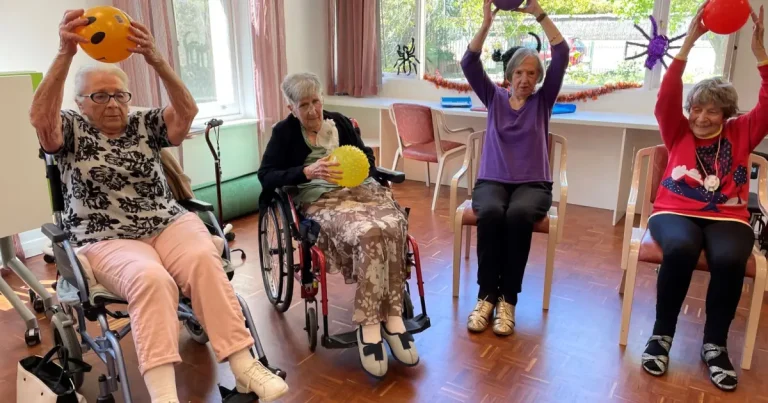
You need to be able to demonstrate movements safely and keep up with the class you teach. Managers care more about clear coaching and a welcoming presence than about how you look.
How long does it take to get certified?
That depends on how much you study. Many people prepare for a group fitness exam over a few weeks to a few months while working another job.
Can I teach without any certification?
Some small studios allow it, but most gyms require a recognized certification and CPR/AED for insurance reasons. A certification also protects participants and you.
Is group fitness a full-time career?
For some people it becomes one, usually by combining classes with personal training, a group fitness coordinator role or work at several locations. Many instructors keep it as a part-time job alongside other work.
Where this leaves you
Pick one NCCA-accredited group certification, get a CPR/AED card with a hands-on skills check, and look at the class schedules at gyms near you to see which formats they run. Practice a 15-minute segment until you can teach it without notes, then ask the group fitness manager when the next audition is. Hours come from saying yes to subs and showing up the same way every time.